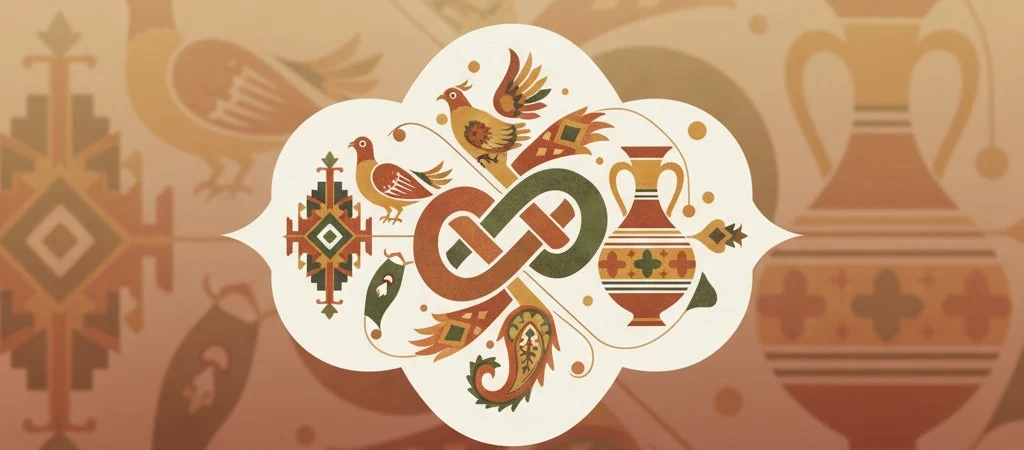
Isfahan tilling : the dance of color and patterns in the old decoration of Isfahan
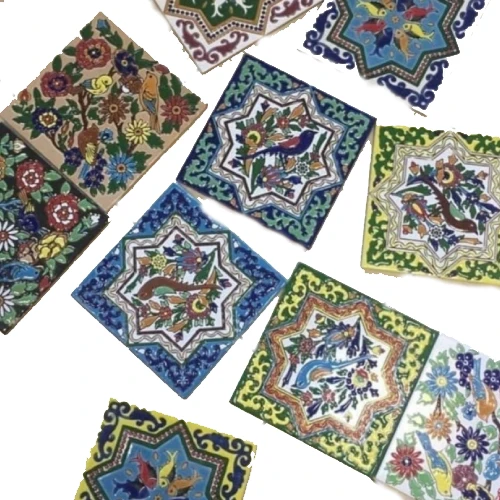
Story of Tilling Kashan
Tiles and tile working has an exclusive grade in art hierarchy and ranking not just in Iran but whole the world, you can find master pieces of normal to 3 - dimensional tileworking (tile work) of ancient to contemporary art of Iranian tile working around the world, in personal collections or in museums or even in the palaces of western and eastern neighbors of country or far away in western countries you can find some pieces of persian tile work.
If you visit Iran, exclusively Isfahan you can find the role of traditional tiling to modern Iranian tiling in every corner of Iranian architecture from old time until present of modern and contemporary art of Iran. Even today you can find a vast majority of Persian tile work in the form of before and after Islam motifs, in a way the old and historical Persian tile work and islamic tile work are interwoven together, which splitting them is never possible. Actually the design and form of the tiles, colors of them and technique of production is the same as throughout the history of Iran because of the wars and shortages. The quality and colors and techniques fluctuate but all the time it was improved through decades. As if all the techniques are the same or different in details but isfahan tile work is different exclusively from the technical and artistic points of view. If you go to the monuments of Isfahan, you understand and you can differentiate the quality of tiles of isfahan tile work, the summit of this art is find in blue mosque of Imam square in Isfahan, there you can find a blue tile, deep blue one which you cannot find it all around the country. Even after 400 years they are shining in a way the keeps the breath of every observer in the world, all the tiles are in high quality position as if after 4 decades the weathering changed the color and shining surface of the tile in harsh climate of desert which Isfahan is located, but even know you cannot appreciate the art of isfahan tile works and masters that raised the position of this culture and art to summits of technical production.
The role of tiles in Iranian architecture is prominent. Actually the technique of tile and tile making is returned to thousands of years ago, the technique of tile making is very similar to mosaic tile work in western countries like the roman empire. Who can tell you who invented the first tile thousands years ago? Romans or Persians? Who cares? At last the result is the same. But isfahan tile work is different because of the color and motifs. There is a differentiation between western and eastern art and tile work which you can find in Isfahan tile work today.
Tile and tile working has a special role in every aspect of Iranian life in past and present. In every corner of life in Iran you can find a piece of this art. From tiles of tile covering of the domes in old mosques to the walls of baths and kitchens you can find colorful tiles than not only covers and protects the structures but also give them an impression of ornamental view and make them more beautiful, through the history you will find little change on the tiles and tile work of Isfahan and other cities which explains the quality of life and the cultural and social situation of the country. for instance, when the society was progressing and the economical quality of the society was in a good manner, you will find the quality or tiles are better, shinier and blue color is prominent on coloring of the tile {blue pigments and salts are very expensive today, when the economy got better, they used more blue pigments},in Isfahan around Safavid dynasty 400 years ago the economy and political situation was in high position and because of this the isfahan tile work improved in a way that even today you cannot find handmade blue tiles like the tile working of Isfahan mosques exclusively blue mosque of imam square even today. But anytime the economic or social and political situation falls the color and quality of tiles downs and you will see not so much blue color on the tiles. For instance, in the late Qajars era, around 200 years ago because of the domination of western countries and stealing the money from Iran, the economy was in the worst situation. In this area you can find the quality of tiles has gone down and yellow, black and white tiles take the place of blue and turquoise tiles. This shows how important is the color and quality of tiles in normal life of Persian or Iranian society through the timeline of Iranian history.
We have two different types of tiles in Iran, past and present. The first one is “ Moarragh or mosaic ” and the second is “ Mollavan or colorful”. The first one or mosaic is more complicated to produce and has better quality. Some of this kind is used on the dome of mosques, on the walls and coverings of the public baths in all parts of the country and Isfahan. To make this kind of tile work, first they produce solid flat tiles and enamel them to different colors. After that they cut it by a sharp hammer, files and cutters in a way that completes the design of final work.in every occasion they use related color and interwoven the small pieces like a puzzle in a way that each piece completes another one like male and female joints. At last they fill the space and liners of the whole pieces together which it makes a solid rock form, flat, solid, interwoven and dust and rust proof, water resistance and in some occasions like internal covering of pools totally waterproof and even light and hot weather of desert climate cannot ruin it even after thousand years. To prove this claim, you can visit Yazd city and check “Jami mosque of Yazd” in central desert of Iran, in summer it is so hot that you cannot touch the tiles by bare hand and in the winter it is freezing, imagine how stressful is the climate of this city but The tiles of the central dome is intact and good shape after 800 years old. I imagine this is the best way to prove the strength of the handmade tiles of Isfahan and other parts of Iran.
In the second form or” Mollavan tilling”, the artists do not puzzle method. In this case first they use a solid flat square of normal tiles, the background color is normally pale blue, green, yellow or white. After that they start painting the tile in a way the final piece is like a solid painting. They paint the designs and motifs like flowers, birds, animals, greens and other forms by brush, they calligraphy them by a piece of bamboo, try the fillings and let the tile dry for days. After this enameling process starts to make a layer of enamel or mina coating on the surface of tile in a way that protects the tile surface for hundred years. This coat of enamel functions as a glass coating and protects everything behind against the harsh climate of desert, this layer is totally water and rust proof. Even though it looks very simple, there is a tricky point which was not discovered until the Timurid dynasty in Persian history. Let me explain.
All the colors used in tiling are made from different kinds of metallic salts, like salts of copper, ferrous oxides, cobalt, sodic and some other natural pigments like turquoise, lapis lazuli and titanium oxide. When after painting you start the enameling process because of the nature of those salts, the melting points are different and because of this very inherent nature the colors run to each other and the final product has many defects that are not useful and make a big pile of trash. Around the “Timurid” dynasty around 15 centuries, the tile workers understood a method which allowed them to produce very detailed paintings without the running effect. To prevent running of the colors in the tiles they made a special natural resin mixed by water and a black pigment and other additives, they made a viscose color used as a liner to differentiate each color from the adjacent line of the other. For instance, if they paint a pink petal of a flower in design they made a black line around that by the viscose liner explained before. So if you look at those colorful tiles you understand that each particle is surrounded by a black line which is made by black color I mentioned before. By this technique during the enameling process the liner prevent running of colors together in the high temperature of the furnace.
May you ask what is the reason to produce this kind of tile while the other one has better quality and lasts for years. The reason is logical and more technical. As simple as: it is cheaper and the production process is so fast and fascinating that one of the kings ordered to use this kind of tiles for his tomb covering because of his age and shortage of time. Next time you touch a tile, just scratch the surface with your nail. You can find if there is mosaic or painting. It is worth the test. Sanapersian wish to visit you in Isfahan in the near future. To enjoy touching the blue genuine tiles of Isfahan.
Contact Us
+989054577261










Connect with Us for Your Iranian Adventure
We would love to hear from you. Whether you're planning a trip to Iran or looking to collaborate with us, feel free to reach out. Let's connect and make your Iranian journey memorable!
Don’t like the forms? Drop us a line via email.
support@sanapersian.travel
© Rahweb 2024. All rights reserved
Contact Us
Contact Us
+989054577261© Rahweb 2024. All rights reserved