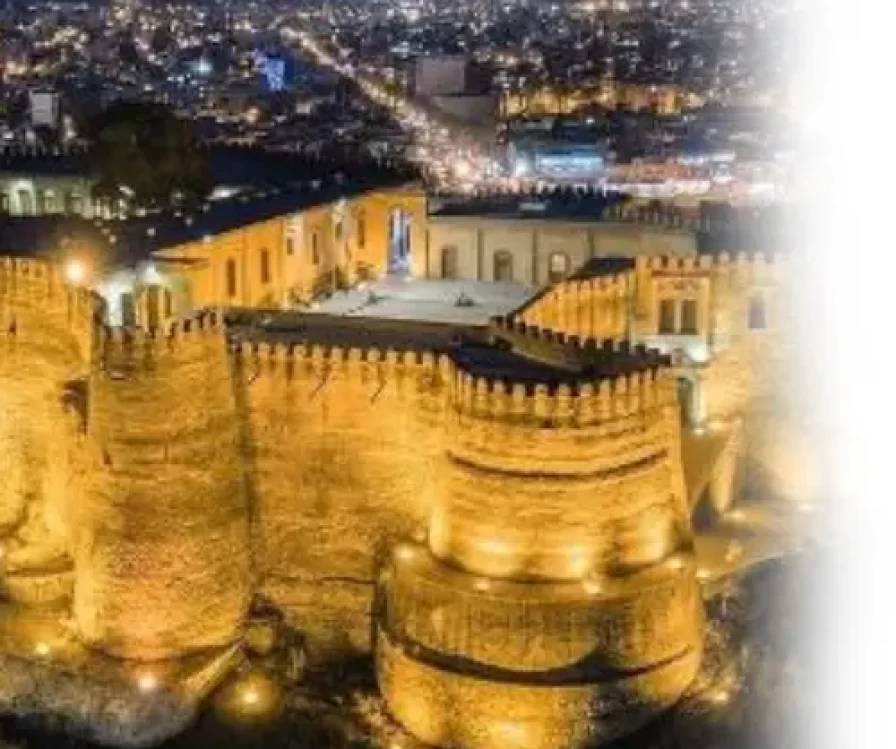
Falak-al-Aflak Castle
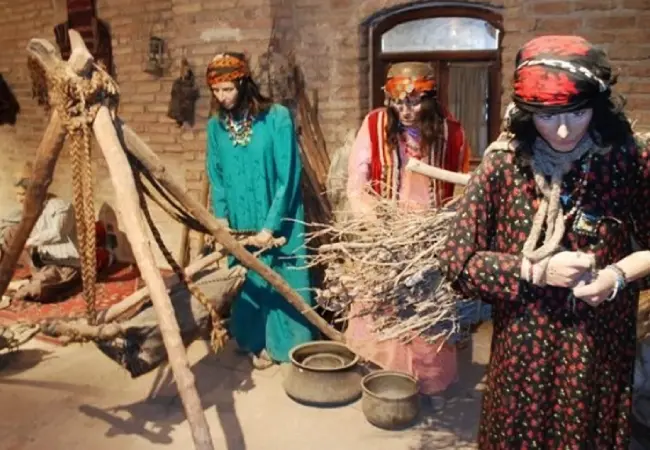
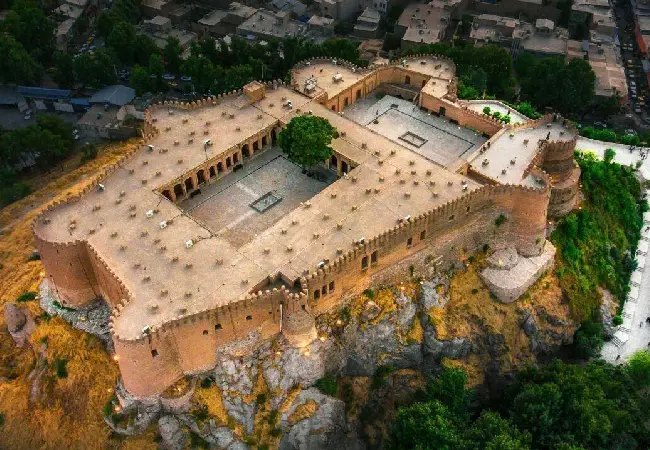
Falak-ol-Aflak Castle
Falak-ol-Aflak Castle, meaning “Sky of Skies” or “Shapur’s Fortress,” is a historic and grand castle located in the center of Khorramabad city in Lorestan Province, Iran. It is also known as the “Twelve-Tower Castle.” Situated on a high hill near a river in the city center, it is considered the largest, most important, and perhaps the most beautiful and striking castle in Lorestan. Its origins date back to the Sassanid era. The castle was registered as a national monument of Iran on September 30, 1969 (10 Mehr 1348 in the Iranian calendar) under registration number 883.
The name Falak-ol-Aflak literally means “Sky of Skies.” Over time, the castle has been known by various names, including Shapur’s Fortress, Saber Khast, Khorramabad Castle, Twelve-Tower Castle, and Atabakan Palace. After the Qajar period, the castle came to be commonly known as Falak-ol-Aflak. The name “Twelve-Tower” may refer to the twelve celestial towers, possibly inspiring the name Falak-ol-Aflak. From the 6th century AH onwards, following the establishment of the new city of Khorramabad, it became known as Khorramabad Castle.
History of Falak-ol-Aflak Castle
The ancient and grand history of this castle dates back to the Sassanid period. The Sassanians built a city called Shapur Khast in the current area of Khorramabad, which was later destroyed. Around the 7th century AH, the modern city of Khorramabad was established on its ruins. It is believed that Falak-ol-Aflak Castle was originally Shapur Khast Fortress, serving various purposes including military and administrative functions. In the 4th century AH, the castle became the seat of the Hasanwayh rulers and the Banu Buyeh dynasty in the region. It also served as the treasury of the Badr family, the administrative center for the Little Lur Atabaks, and the governors of Lorestan from the Safavid to Qajar periods. Later, during the Pahlavi era, it functioned as a military garrison and prison.The castle’s location atop rocky cliffs with a panoramic view of the historic Khorramabad valley, as well as the flow of the Golestan spring from the northern slope of the hill, are key features of the structure. Its proximity to prehistoric caves in the Warm Valley of Khorramabad and other historical monuments such as the Khorramabad Rock Inscription, Brick Minaret, Ghabri Mill, Shapuri Bridge, and Stone Whirlpool highlight its historical significance.
The current architecture of the castle reflects numerous additions and modifications over different periods, especially during the Safavid and Qajar eras. Based on historical images from about a century ago, a 12-tower wall once surrounded the current structure, traces of which can still be seen in the northwest courtyard. The approximate area of the castle is 5,300 square meters, featuring 8 towers, two courtyards, and 300 battlements. The tallest wall reaches 23 meters from the hill’s surface, and the materials used include stone, brick, adobe, and plaster mortar. The castle entrance faces north and is located in the southwest tower. After passing through the entrance corridor, visitors reach the first courtyard. The entrance is 10.2 meters wide and 3 meters high, constructed from large red bricks, stone, and mortar. The plan of the castle is an irregular octagon.
This courtyard measures 31 × 22.5 meters (north-south orientation) and is surrounded by four towers: two in the north and northwest and two in the south and southwest.
The second courtyard, oriented east-west and measuring 21 × 28.29 meters, also has four towers. Large halls in each direction are connected and now house a museum. The castle contains hidden escape routes in the southern side and underground spaces on the north and east sides.
The castle bath was located in the northern part of the first courtyard near the castle well. It was in use until the late Qajar period. Remnants such as clay pipes, plaster decorations, and underground channels are still visible.
The castle well is located in the northeast of the first courtyard behind a tall arch. It is approximately 40 meters long, connecting to the Golestan spring. Historically, it supplied water for the castle residents and remains functional today.
Falak-ol-Aflak Castle was built with a system of moisture-control channels covering the area beneath the castle. Initially, experts thought these hidden channels served as shelters, but Sassanid engineers designed them to manage underground water and prevent damage to the structure’s materials. The castle’s elevated location allows wind to circulate, keeping the foundations dry.
The castle has undergone multiple damages and restorations. During the Qajar period, Mohammad Ali Mirza Dowlatshah, appointed governor of Kermanshah and Lorestan in 1237 AH, ordered repairs. He also built the Diwan Khaneh (government hall) and Sarbat Khaneh (administrative offices) at the castle’s lower section. Various Qajar officials used the castle as an administrative and military center, leaving records and notes. Historical accounts describe extensive renovations of the castle and nearby gardens to restore their former glory.
Sir Henry Rawlinson, who traveled in Iran from 1249 to 1255 AH, described the castle as a large, isolated cliff with a perimeter of approximately 900 meters, steep slopes, a nearby spring, and a palace atop well-fortified foundations. The palace included a large pool, gardens, stables, barracks, and various rooms. In 1257 AH, a Russian traveler noted that the castle was defended by six cannons, with other artillery later concentrated in the capital. Edmonds, in 1917, mentioned that the palace and related buildings were in decline, though the square pool and some rooms remained intact. Today, Falak-ol-Aflak Castle is the most significant historical monument in Lorestan and attracts many tourists annually. We hope, in the near future, to welcome you as part of the Sana Persian team and host you at Falak-ol-Aflak Castle in Khorramabad, Lorestan, Iran. Looking forward to that day.
Contact Us
+989054577261










Connect with Us for Your Iranian Adventure
We would love to hear from you. Whether you're planning a trip to Iran or looking to collaborate with us, feel free to reach out. Let's connect and make your Iranian journey memorable!
Don’t like the forms? Drop us a line via email.
support@sanapersian.travel
© Rahweb 2024. All rights reserved
Contact Us
Contact Us
+989054577261© Rahweb 2024. All rights reserved