
Potato Ashkene
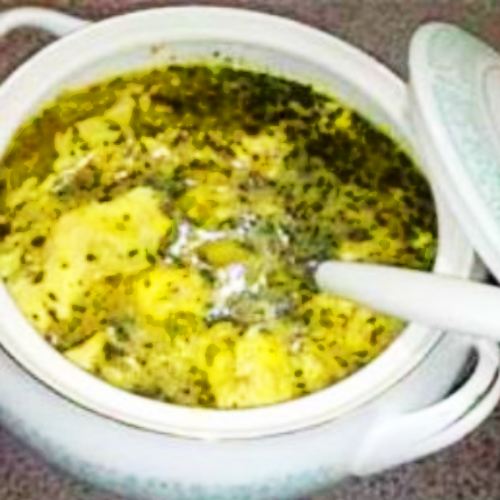
Potato Ashkeneh
Ashkeneh is a delightful and straightforward Iranian dish that can be prepared quickly and is enjoyed in various regions with different flavors and methods. This dish boasts a long-standing history, having been made for centuries with a consistent recipe. Originally, it was meatless, but over time, it has evolved, particularly with the introduction of ingredients like potatoes from other countries. For example, potatoes made their way to Iran during the Qajar period and quickly became a staple in Iranian cooking.
- 1 large onion
- 2 medium potatoes
- 1 heaping tablespoon of wheat flour
- 3 eggs
- 1 tablespoon of dried fenugreek
- 1 tablespoon of turmeric
- Salt and pepper to taste
- 4 tablespoons of oil
1. Start by selecting a suitable pot and adding a bit of oil. Sauté the diced onions over medium heat until they turn golden brown. While frying, add the turmeric and sauté for a little longer.
2. Once the onions are golden, fill the pot halfway with boiling water.
3. Combine the flour with a small amount of cold water and mix well until it forms a smooth, thin mixture. Add this to the boiling pot and stir to blend with the onions.
4. Cut the potatoes into uniform cubes and add them to the pot along with salt and pepper.
5. Cover the pot and let it simmer for 30 minutes. Towards the end, increase the heat to thicken the mixture.
6. At this point, crack the eggs one by one into the stew, allowing them to cook thoroughly.
7. Finally, add the dried fenugreek and wait for its aroma to fill the pot.
8. Let the stew simmer until it is well-cooked.
This dish is typically served with bread and is often enjoyed in a mashed form. As you can see, this recipe is quite simple and entirely vegetarian, making it a great option for those who prefer plant-based meals. It’s nutritious and, despite its simplicity, incredibly flavorful. I hope you give this delicious dish a try. We look forward to welcoming you to Sana Persian soon, where you can savor this delightful meal in Iran, particularly in South Khorasan and the city of Birjand. Here’s to that day!
Connect with Us for Your Iranian Adventure
We would love to hear from you. Whether you're planning a trip to Iran or looking to collaborate with us, feel free to reach out. Let's connect and make your Iranian journey memorable!
Don’t like the forms? Drop us a line via email.
support@sanapersian.travel
© Rahweb 2024. All rights reserved
Contact Us
Contact Us
+989054577261© Rahweb 2024. All rights reserved